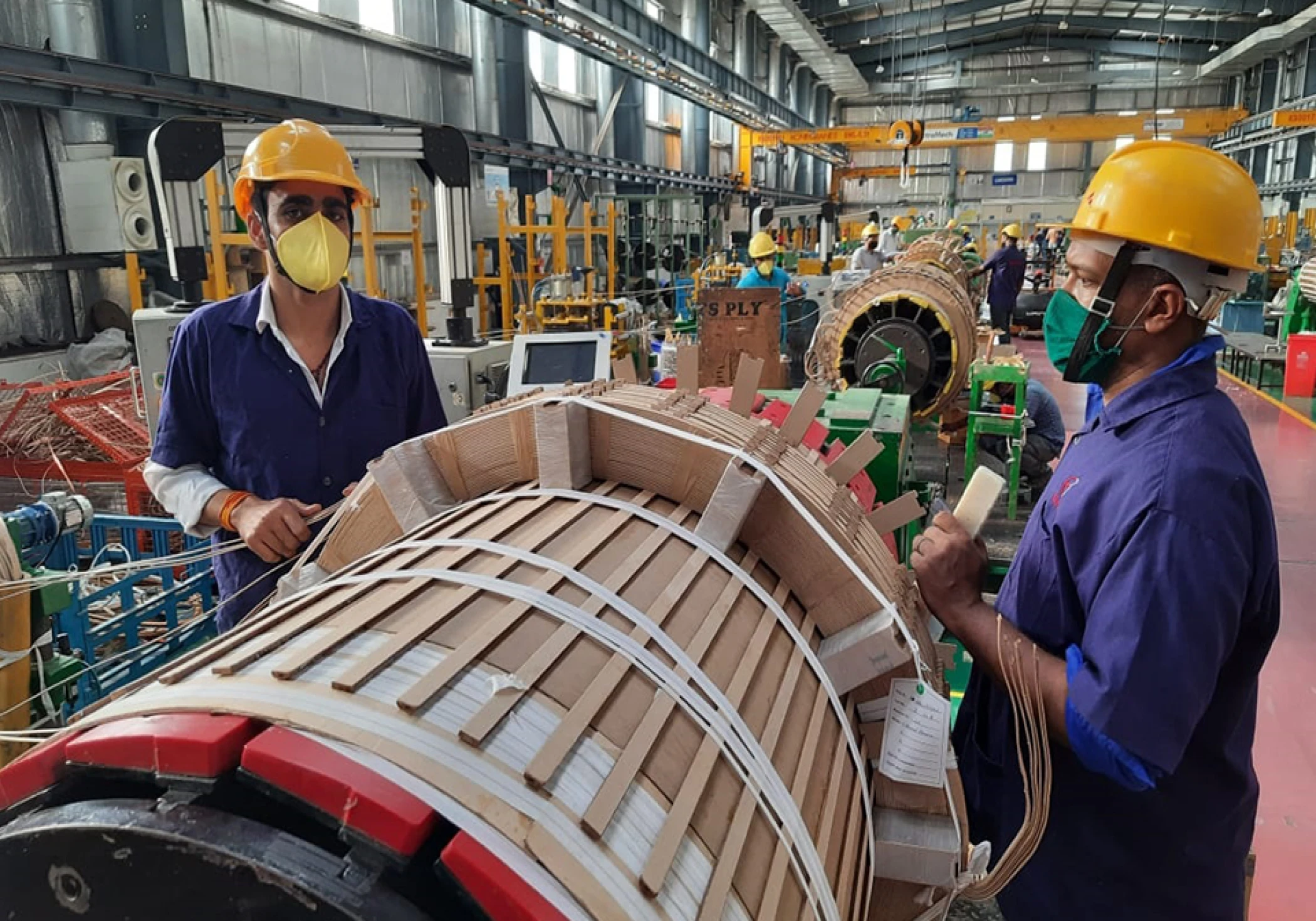
Raychem RPG Private Limited was established in 1989 as a 50:50 joint venture between TE Connectivity of the United States and RPG Enterprises of India. Over nearly four decades, it has operated as one of the longer-running successful joint ventures in the Indian engineering sector. The company is headquartered in the Mumbai region and focuses on manufacturing products for electrical power infrastructure, cable systems, and related energy applications.
Its product range includes cable accessories and jointing kits, energy-efficient transformers (including cast resin types), surge protection devices, gas flow metering systems, and solutions for cable management and electrical safety. These items are supplied to power utilities, renewable energy projects, railways, industrial sectors, and infrastructure developments across India and in international markets. The company has contributed components to notable projects such as high-speed rail corridors and large solar energy installations, though it maintains a relatively low public profile compared to larger conglomerates.
Notable Technical and Operational Aspects
Raychem RPG has achieved certain technical milestones in the Indian context. It was reportedly the first company in India to obtain E3, C3, and F1 certifications for its cast resin transformers, which relate to safety, performance, and fire-related standards. The firm has also been involved in "Make in India" efforts, including the development and testing of higher-voltage equipment to support faster execution of electricity distribution projects. Its manufacturing facilities are located in areas such as Vasai and Naigaon in Maharashtra, among others.
The company has emphasized operational aspects like quality management and has worked toward international certifications in some divisions. It participates in industry exhibitions such as ELECRAMA to showcase its range of products.
Focus on Community and Social Initiatives
Like many Indian companies of its scale, Raychem RPG undertakes activities under its Corporate Social Responsibility (CSR) framework, often in coordination with the RPG Foundation. These efforts are directed toward communities near its manufacturing locations and cover several standard areas:
Education and Skill Development: The company has supported educational programs, including infrastructure improvements at residential schools (Ashramshalas) and initiatives aimed at improving learning outcomes for children. Recent examples include partnerships that focus on foundational education and exposure to environmental topics for young students.
Women Empowerment and Livelihoods: In 2026, Raychem RPG reported enabling skill development for 128 women in the Chakan area, with the goal of promoting sustainable livelihood opportunities. The company has also highlighted diversity and inclusion efforts at its plants, where women participate in various assembly and manufacturing roles.
Health and Community Support: Initiatives have included contributions to eye health care and general community development programs. The firm has collaborated with organizations such as the Akshaya Patra Foundation for mid-day meal-related support and other local causes.
Broader Sustainability Efforts: Raychem RPG has worked on reducing resource consumption at its factories and offices, including measures related to energy and water conservation. These align with wider industry trends toward lower environmental impact in manufacturing.
The company's CSR policy outlines contributions to the development of nearby communities, with activities channeled through structured programs rather than sporadic efforts. On occasions such as National Girl Child Day, it has publicly acknowledged the importance of social transformation alongside business operations.
Context and Outlook
Raychem RPG operates in a competitive segment of the electrical equipment industry, where reliability of products is critical for power distribution and renewable energy integration. While it is not among the largest players by overall revenue in the broader RPG Group ecosystem (which includes companies like CEAT and KEC International), it has maintained steady operations for over 35 years.
As India continues to expand its power grid, renewable capacity, and urban infrastructure, manufacturers like Raychem RPG supply components that support these developments. Its social work remains part of the standard expectations for corporate entities under Indian CSR regulations, focusing on localized and thematic interventions in education, skills, and community welfare.
The company continues to function as a specialized supplier in the energy and infrastructure domain, balancing commercial activities with mandated social responsibility measures.