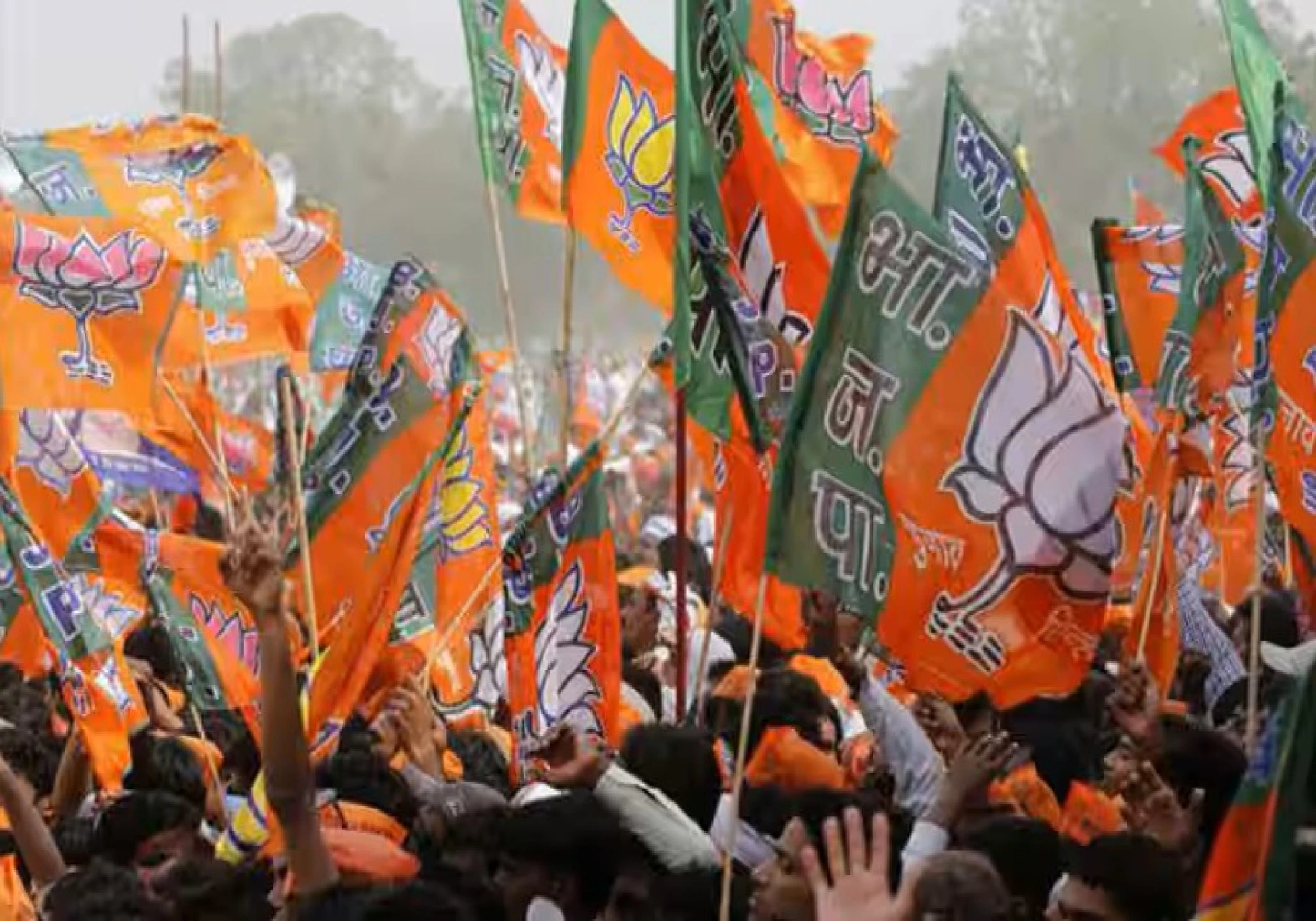
In recent years, the influence of the 'Saffron Wave' has appeared to be steadily growing across Eastern India. This trend was underscored by the Bharatiya Janata Party's (BJP) spectacular success in West Bengal and the further consolidation of its political power in Assam, where the nationalist party secured an electoral victory for the third consecutive time. During the election campaigns preceding these recent polls—while some observers expressed optimistic views—certain analysts had predicted that the BJP-led alliance would retain power in Assam, securing over a hundred seats in the 126-member Legislative Assembly. Similarly, in West Bengal's 294-member Assembly, the party posed a formidable challenge to the ruling All India Trinamool Congress, crossing the 200-seat mark.
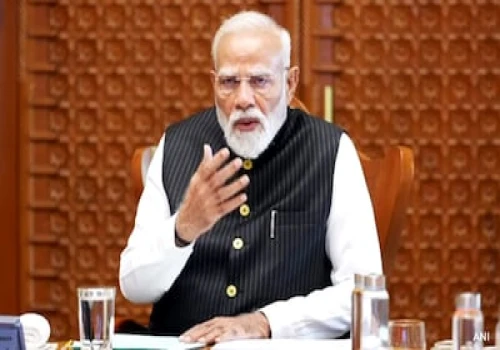
Meanwhile, Suvendu Adhikari took the oath as the Chief Minister of Bengal, while Himanta Biswa Sarma continues to serve as the head of the government in Assam. The results of the vote counting held on May 4 proved to be extremely encouraging for the BJP. The party secured victory in 82 seats on its own, while its trusted allies—the Asom Gana Parishad (AGP) and the Bodoland People's Front (BPF)—won 10 seats each. In contrast, the opposition Congress and its electoral allies had to settle for a mere 21 seats. Of these, the Congress party—led by Gaurav Gogoi—secured only 19 seats. Gaurav Gogoi himself, the MP who had been projected as the face for the Chief Ministerial post, lost the election for the Jorhat Assembly seat to Hitendra Nath Goswami, a three-time BJP MLA.
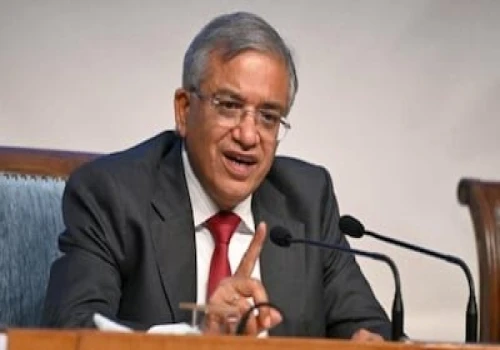
Although the ruling alliance had not officially announced a candidate for the post of Chief Minister, the incumbent head of the government, Himanta Biswa Sarma, took complete charge of the election campaign. Sarma, who left the Congress party to join the BJP in 2015, has today emerged as the leading face of 'Saffron politics' in Assam and across the entire Northeast India. His aggressive election campaign—which prominently raised the issue of the 'Miya' community, referring to Muslims who have migrated from Bangladesh—resonated with a large section of the local population. Voters concerned about their religious, social, and cultural identity took these issues seriously. Furthermore, the government also made infrastructure development, public welfare schemes, and transparent employment processes an integral part of the electoral discourse.
All major exit polls had predicted a resounding victory for the BJP alliance in Assam. For the vote count, thousands of Electronic Voting Machines (EVMs) were stored in 35 secure strongrooms under the strict surveillance of central security forces. This prediction proved accurate as results emerged from 40 counting centers established across 35 district headquarters, where more than 2,345 micro-observers were present. Election officials had also deployed 126 counting observers, brought in from other states, to oversee the vote-counting process. The BJP secured its highest-ever tally of legislators this time around, whereas in the 2011 assembly elections, the Congress—led by then-Chief Minister Tarun Gogoi—had won 78 seats. At that time, Himanta Biswa Sarma was among the Congress party's key strategists.
As a former Congress leader, Himanta Biswa Sarma brought about a significant shift in state politics. Recently, Bhupen Borah—the former President of the Assam Congress—also joined the ‘Saffron camp.’ MP Pradyut Bordoloi, who had joined the BJP just prior to the elections, was allotted a ticket for the prestigious Dispur constituency and successfully won the election. On the other hand, Debabrata Saikia—the then Leader of the Opposition in the Assam Legislative Assembly—and former Congress President Ripun Borah lost the elections in their respective constituencies. Recently, Sarma tendered his resignation as the Head of the Council of Ministers to the Governor of Assam, Lakshman Prasad Acharya, thereby paving the way for the formation of a new government in Dispur. The formation of the new government is expected to take place on May 12.
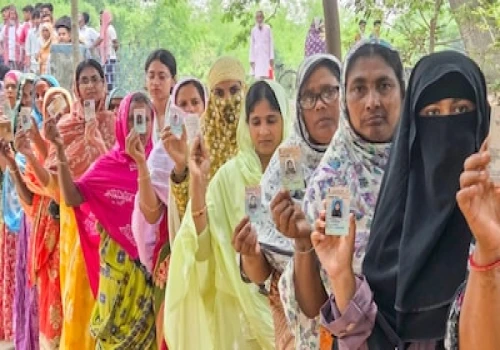
The active role played by the Rashtriya Swayamsevak Sangh (RSS) is also considered a significant factor behind the BJP's electoral success. On the occasion of its centenary year, the Sangh organized thousands of 'Hindu Sammelans' (Hindu gatherings) across Assam. These events took place on the eve of the Assembly elections and evolved into a massive public outreach campaign. Through personal interactions, public meetings, and social media campaigns, volunteers encouraged people to ensure 100 percent voter turnout. In particular, Hindu voters were urged to exercise their franchise without any hesitation. Consequently, the state recorded a massive voter turnout of 85.91 percent—a figure widely perceived as directly beneficial to the 'Saffron candidates.'
Another significant aspect of the Assam elections was the ‘Zubeen Garg episode.’ During the elections, those political parties and candidates who attempted to turn Zubeen Garg’s untimely death in Singapore—and the investigation surrounding it—into a political campaign issue failed to garner the expected public support. Some groups had claimed that, owing to the ‘Justice for Zubeen’ campaign, young voters would cast their ballots against the ruling alliance, as this issue resonated deeply with the sentiments of the millions of fans and well-wishers of the popular cultural icon, Zubeen Garg. However, the actual election results revealed a completely different response from the electorate. Political analysts believe that this outcome warrants serious introspection in the future. Notably, Zubeen Garg’s immediate family members had publicly appealed that his untimely demise and the events surrounding it should not be politicized for electoral gain; yet, certain groups chose to disregard this plea.