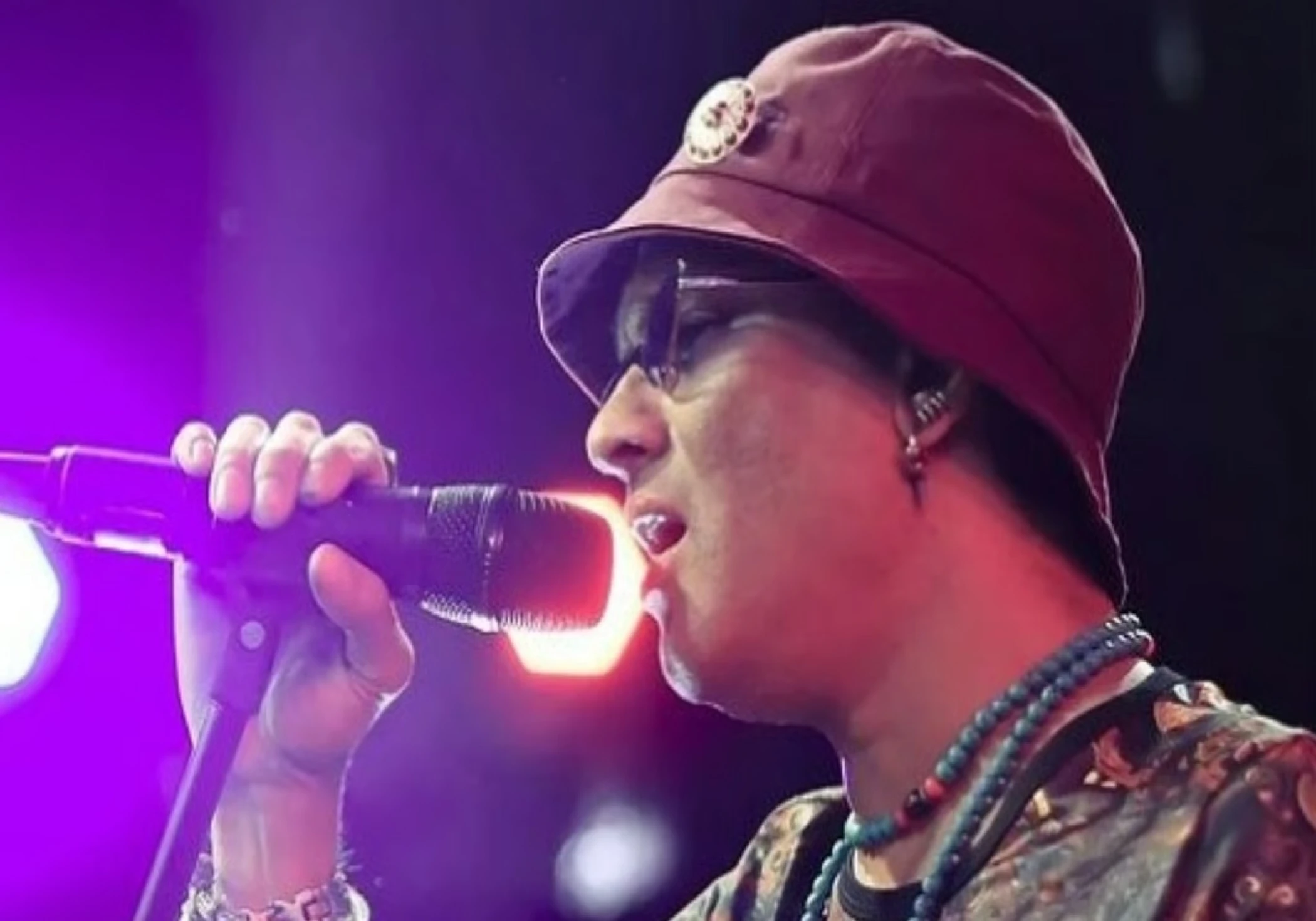
Assam's electoral politics has so far revolved around issues like development, identity, ethnic balance, and security. But ahead of the upcoming assembly elections, a unique question has become the focus of public discourse—will the mysterious death of popular cultural icon Zubeen Garg dominate the electoral agenda?
While political parties may publicly assert that politics should not be played on the name of an artist, Zubeen Garg's untimely death in Singapore on September 19, 2025, and the subsequent investigation and legal process, have created an emotional and sensitive pivot in Assamese politics. Even months after his death, the demand for justice continues to simmer on social media, and the issue remains simmering, especially among the youth.
The opposition has been accusing the ruling Bharatiya Janata Party and Chief Minister Himanta Biswa Sarma of mishandling the entire matter from the outset. The main opposition party, the Congress, has taken an aggressive stance, linking Zubin's case to the government's accountability. The Assam Pradesh Congress Committee released a "Chargesheet 2026," not only questioning the investigation into Zubin's death, but also highlighting issues such as rising government debt, alleged corruption, unfulfilled promises to various communities, and the closure of government schools.
This debate intensified during senior Congress leader Priyanka Gandhi Vadra's visit to Assam. Paying tribute to Zubin, she stated that great artists stay away from politics and their deaths should not be politicized. She also visited Zubin's memorial in Sonapur, near Guwahati, to pay her respects and accused the Chief Minister of promoting polarizing politics. This message was both political and emotional, and its impact was clearly visible in the election atmosphere.
On the legal front, the Assam Police have arrested seven people in connection with Zubin's alleged murder. These include the organizers, the manager, band members, a family member, and a private security guard. A special investigation team led by a top police officer has traveled to Singapore to gather evidence and filed a charge sheet of over a thousand pages in court. Despite this, public satisfaction with the direction and pace of the investigation remains elusive.
The case took a new turn when Zubin's family wrote to the Prime Minister, demanding the formation of a special court and expedited trials. Zubin's wife, Garima Saikia Garg, urged appropriate diplomatic intervention in Singapore to obtain clear answers to the questions surrounding the circumstances of his death. Meanwhile, a report in a leading Singapore newspaper described Zubin's death as an accident, further intensifying the political debate.
In the coroner's inquest, Singapore police cited drowning as the cause of death and ruled out any criminal conspiracy. Congress leaders subsequently questioned why a "murder" narrative was initially fabricated in Assam if international investigative agencies failed to find any criminality. The opposition argued that this misled the public.
Chief Minister Sharma dismissed these allegations, stating that the Assam Police investigation was independent and that the case was subjugated, thus avoiding political speculation. The ruling party has also organized "Nyay Yatras" (Justice Marches) across the state demanding justice for Zubin, making it clear that the government is unable to completely keep the issue out of political debate.
Interestingly, the outpouring of condolences and demands for justice for Zubin extended beyond Assam's borders. Political and social figures from other parts of the country visited the family and demanded a fair investigation. This has elevated the case from a mere personal tragedy to a broader public concern.
The real question now is whether this emotive issue will influence voting behavior. Will Zubin Garg's case fuel anti-incumbency sentiment, or will it be overshadowed by other electoral issues over time? As the elections draw closer, it will become clear whether this issue will remain limited to mere sympathy, or truly dominate Assamese politics.